Robot Vacuum Release Dates & Upgrade Cycles
Is now a good time to buy a robot vacuum? This tracker follows every major Roborock, Dreame and Ecovacs model line released outside mainland China: when the current model went on sale, how long each line historically takes between generations, and where today's model sits in that cycle — so you can buy early in the cycle, not the week before a successor lands.
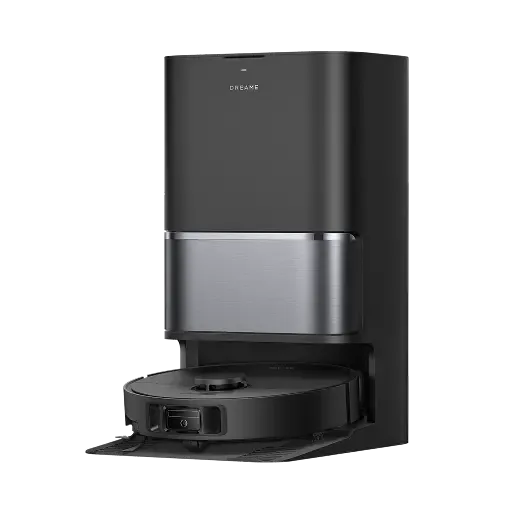
L40 Ultra Gen 2
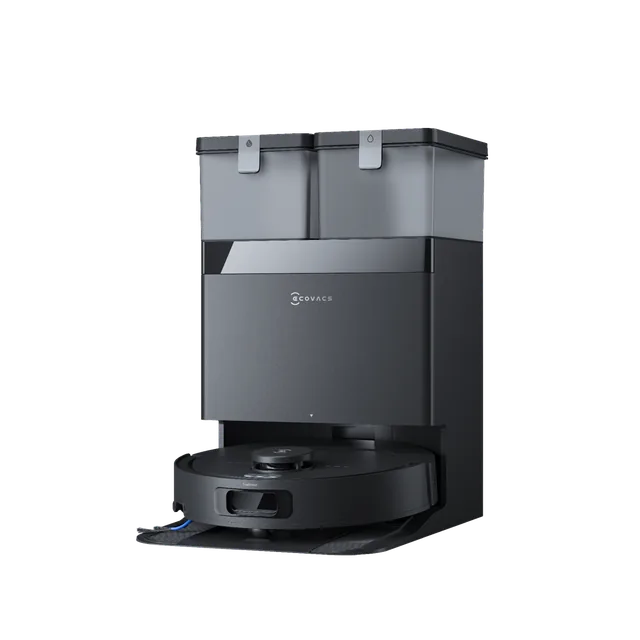
DEEBOT T50S PRO OMNI
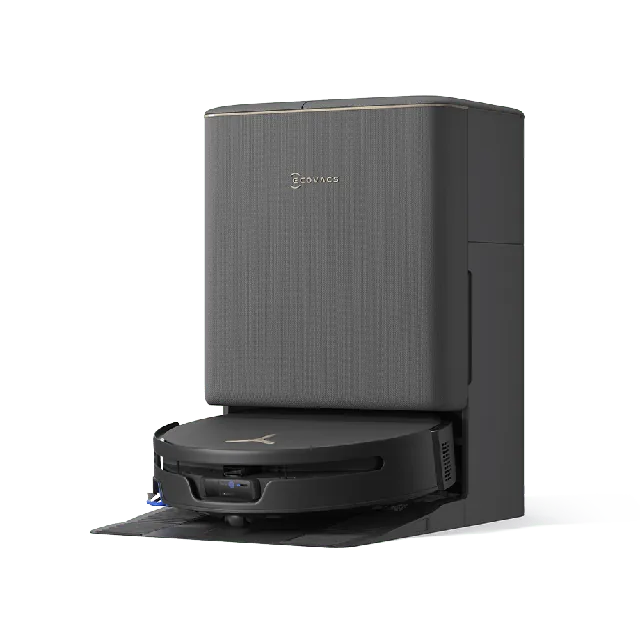
DEEBOT T90S PRO OMNI
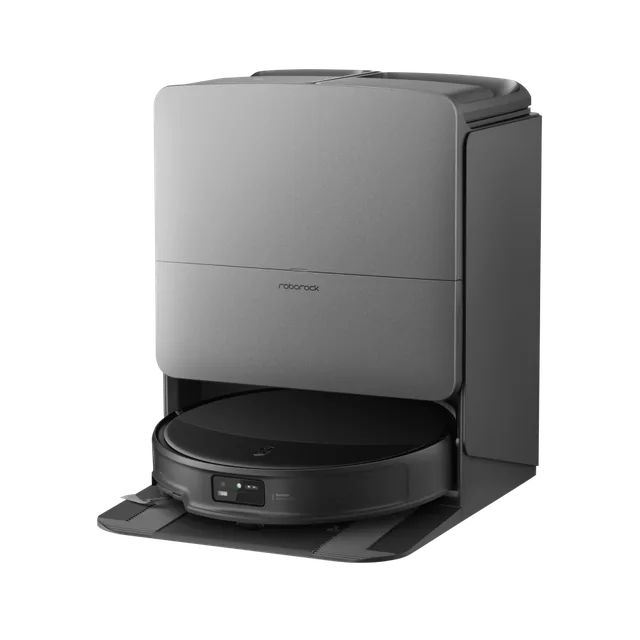
Saros 20 Flow
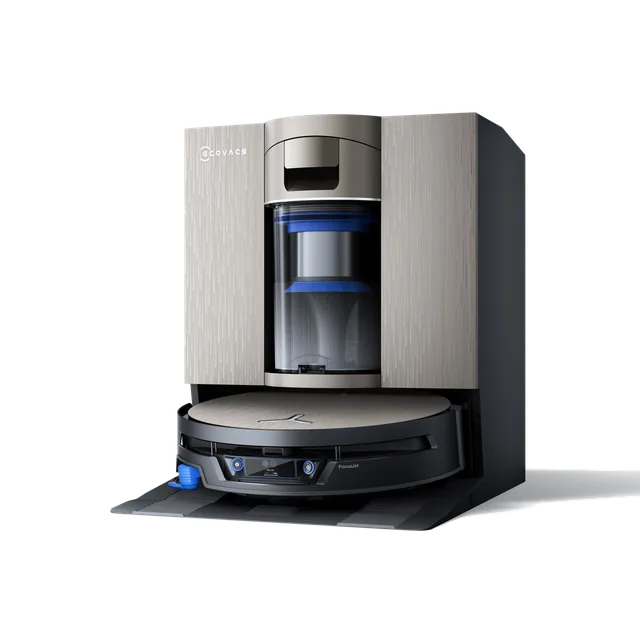
DEEBOT X12S OmniCyclone
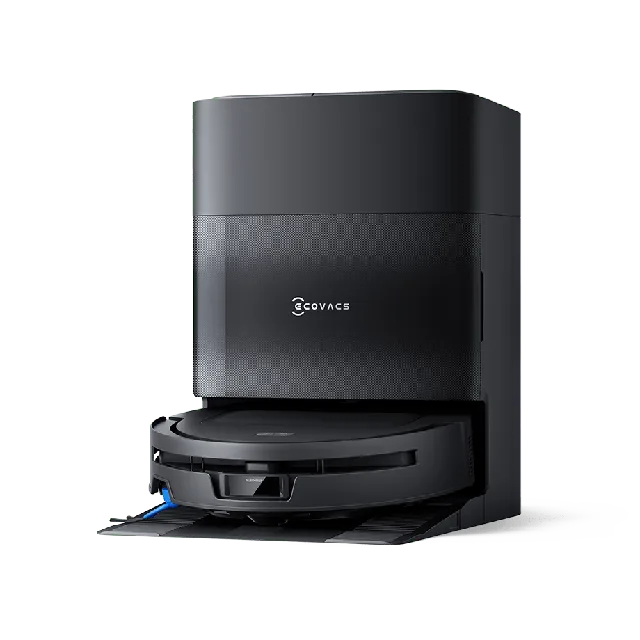
DEEBOT T90 MAX PRO OMNI
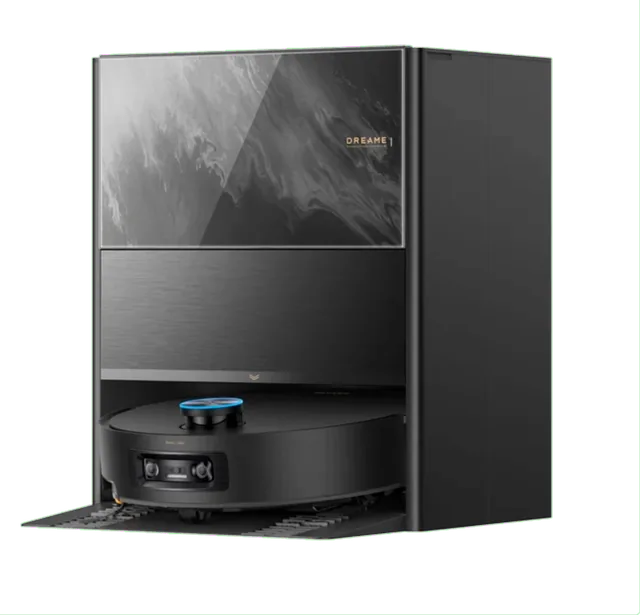
Aqua20 Pro Ultra Roller X Complete
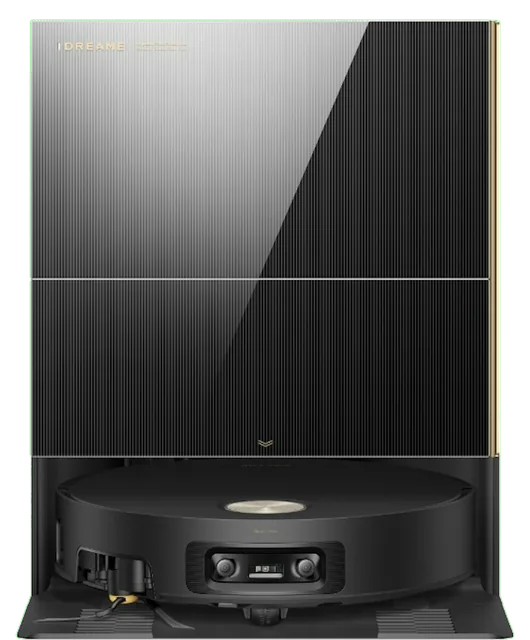
X60 Ultra Extreme
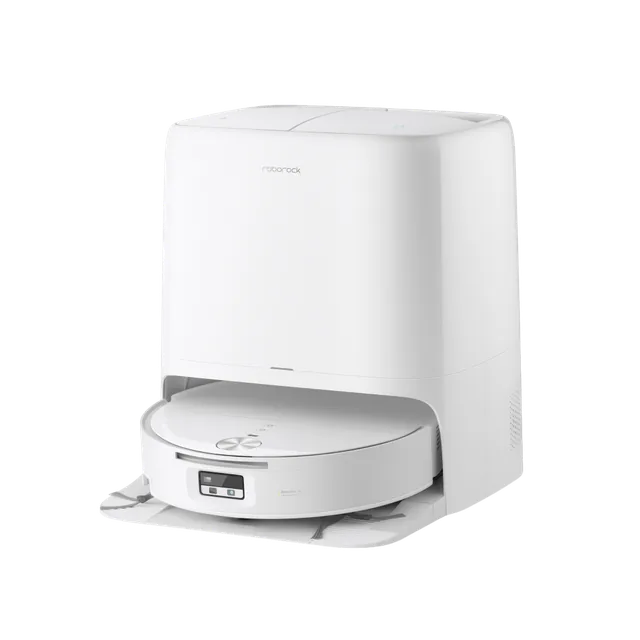
Qrevo Edge 2 Flow
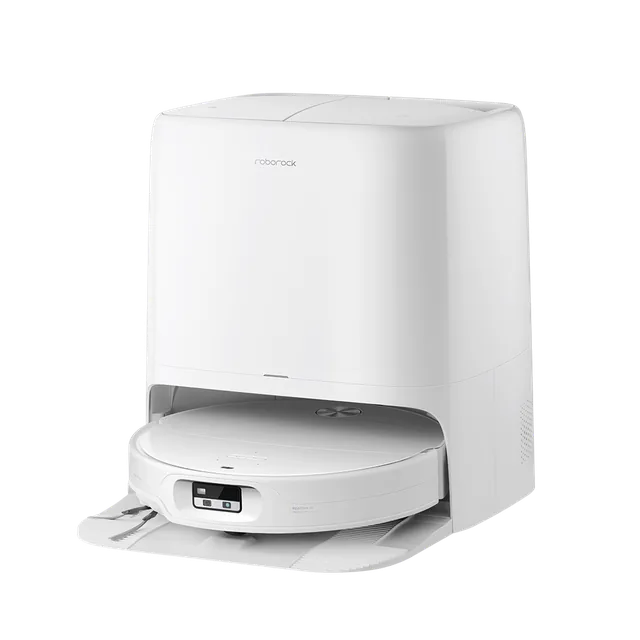
Qrevo Edge 3 Pro
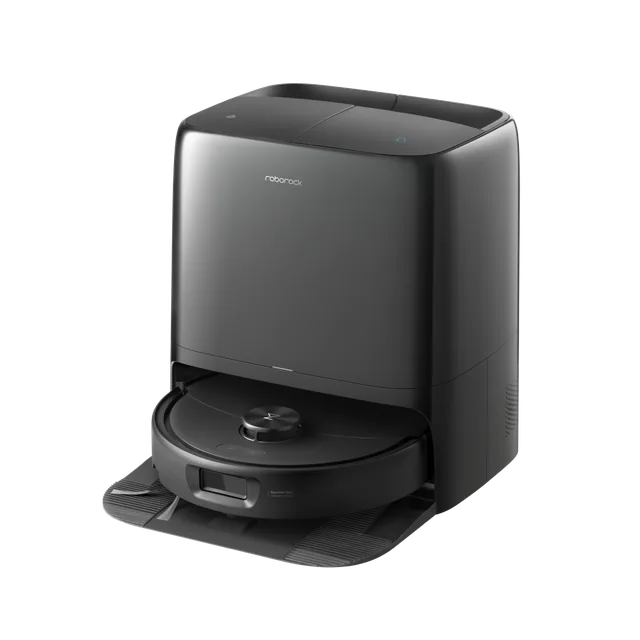
Qrevo 2 Pro
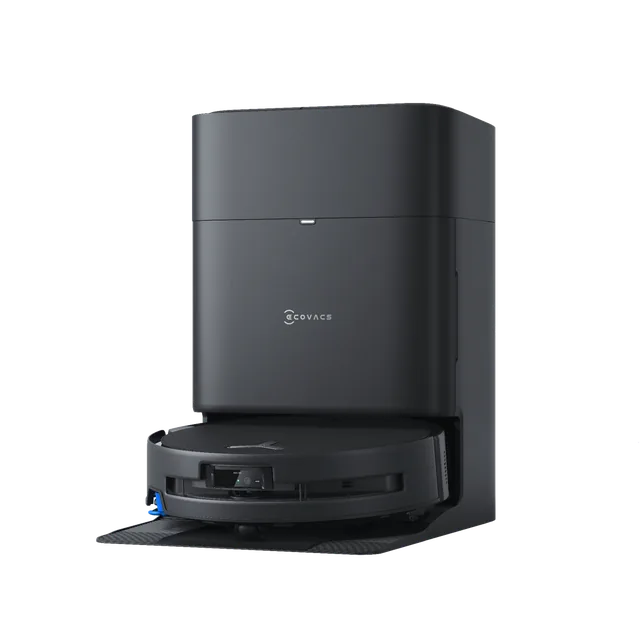
DEEBOT T80S Omni
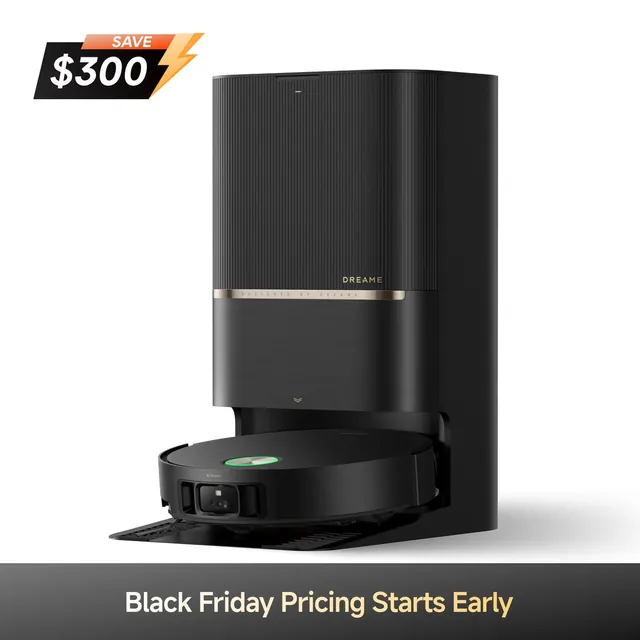
L60 Pro Ultra
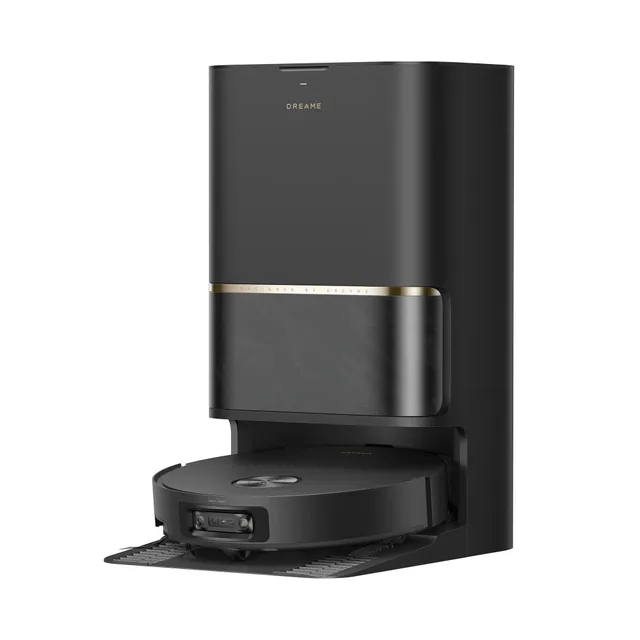
L60 Ultra
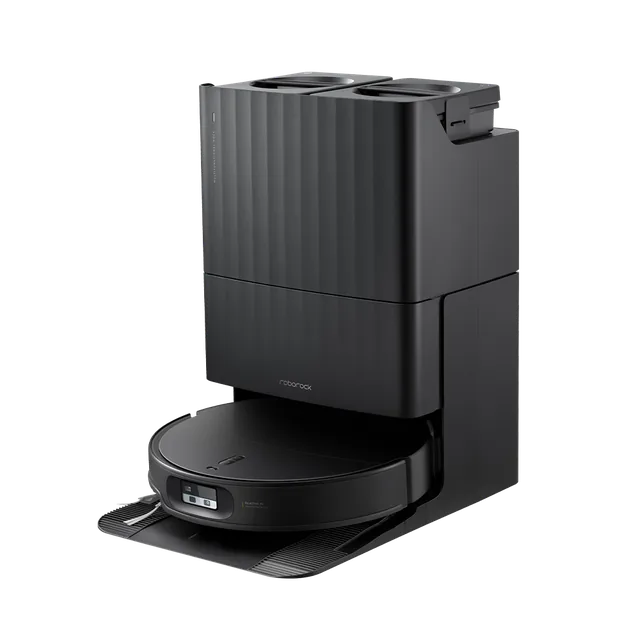
Qrevo Edge 2
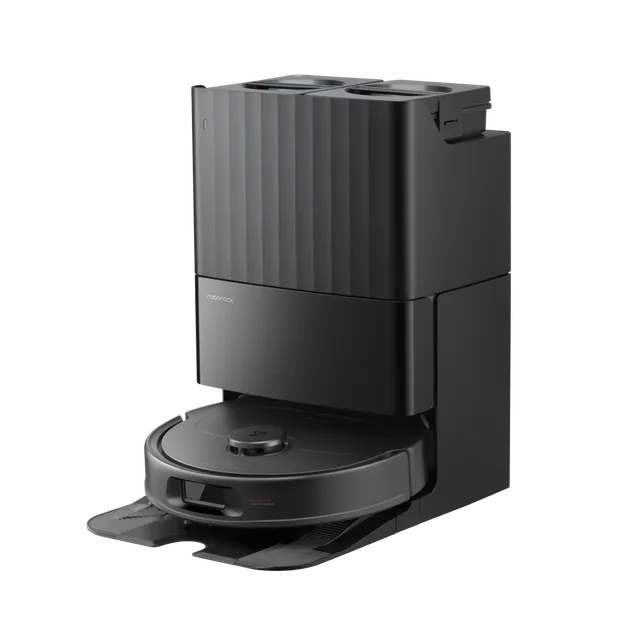
Qrevo S Pro
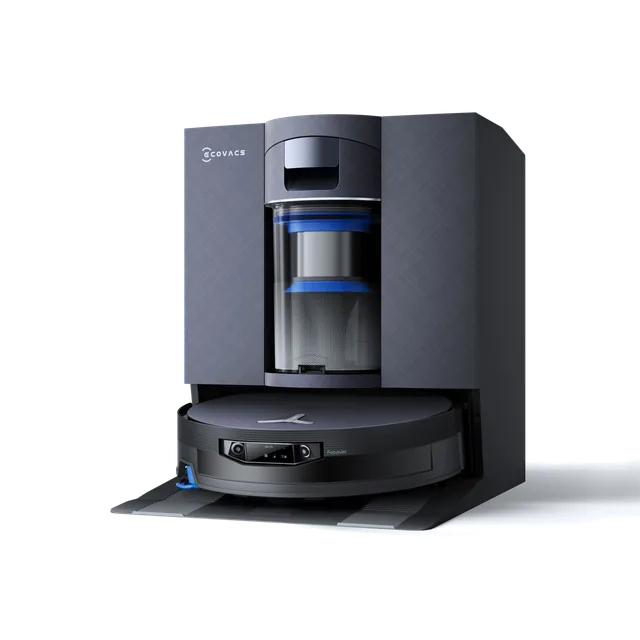
DEEBOT X12 OmniCyclone
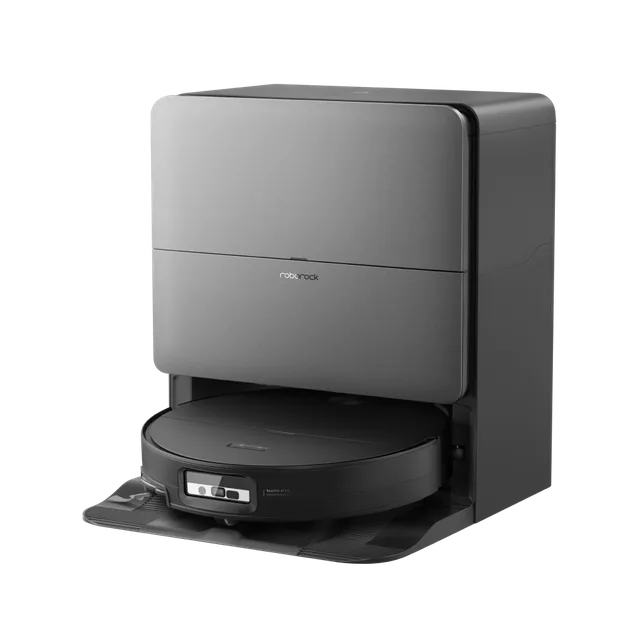
Saros 20 Sonic
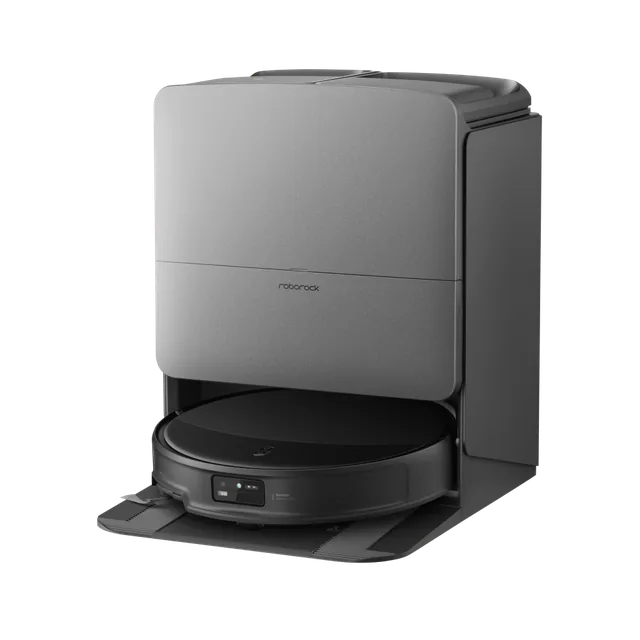
Saros 20
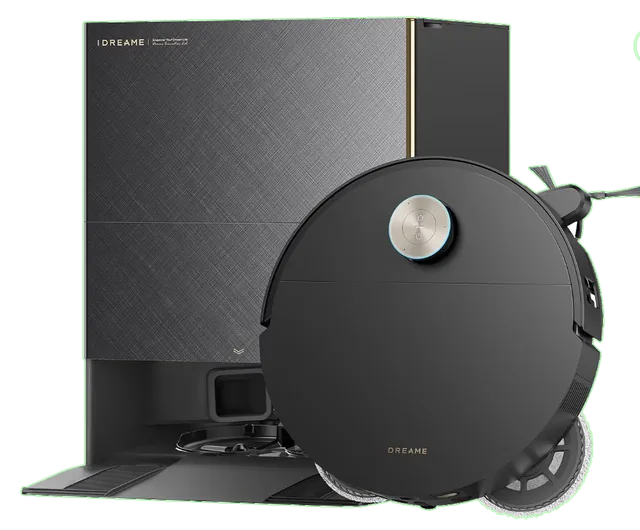
X60 Max Ultra Complete
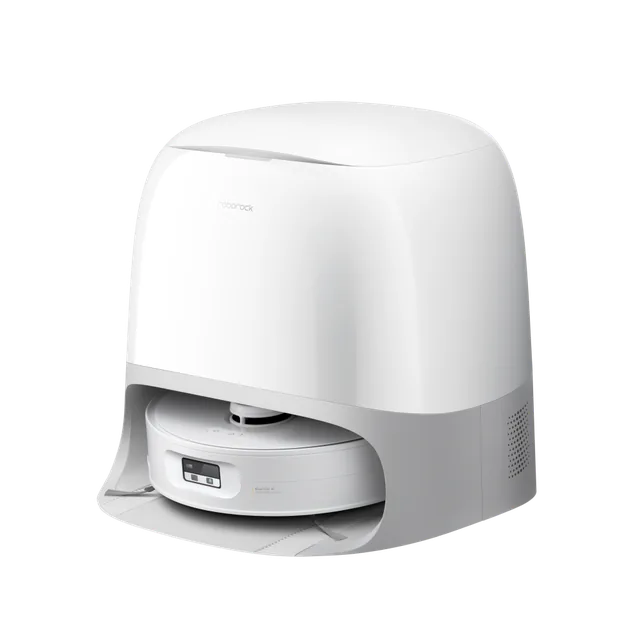
Qrevo Curv 2 Flow
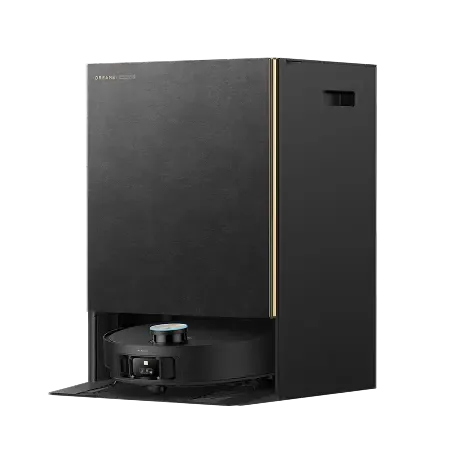
Matrix10 Ultra
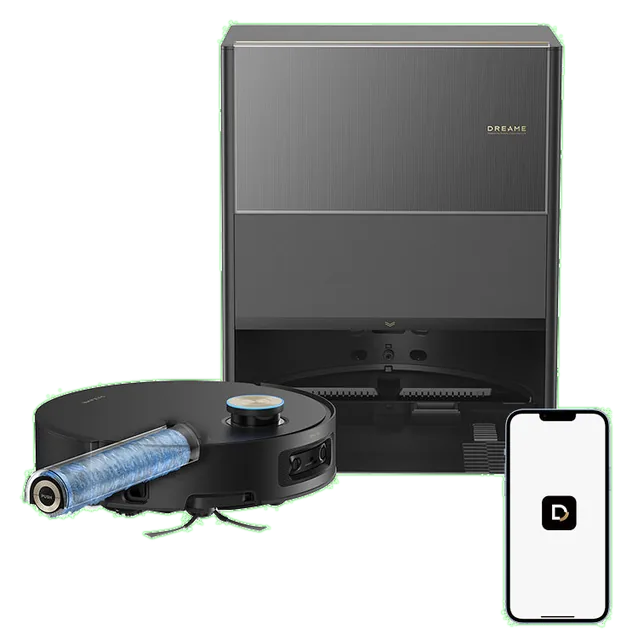
Aqua10 Ultra Roller
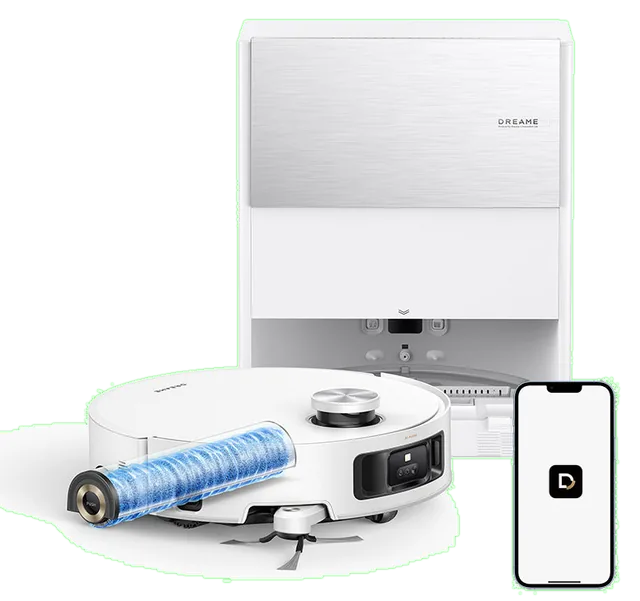
Aqua10 Roller
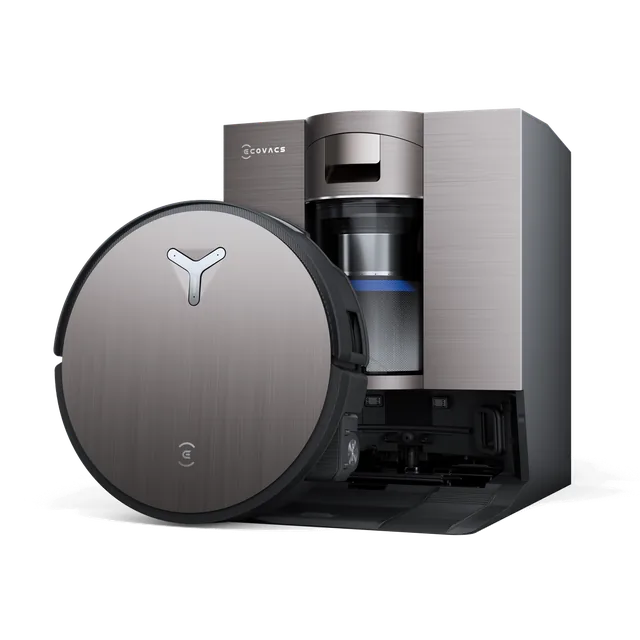
DEEBOT X11 OmniCyclone
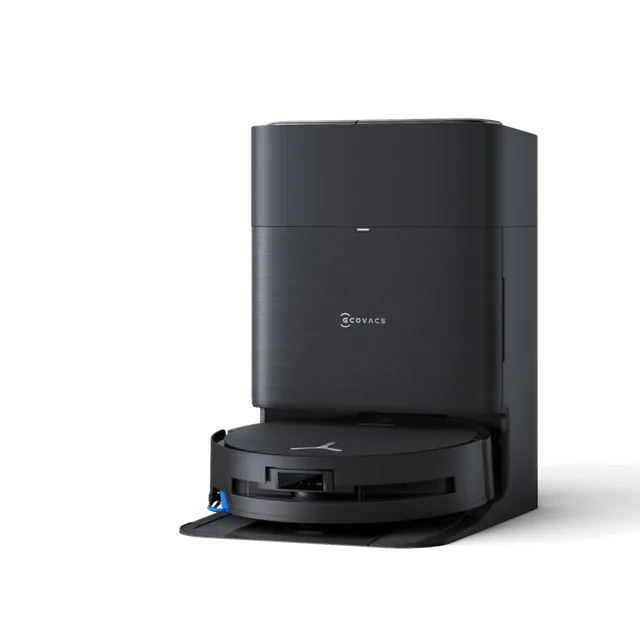
DEEBOT X9 Pro Omni
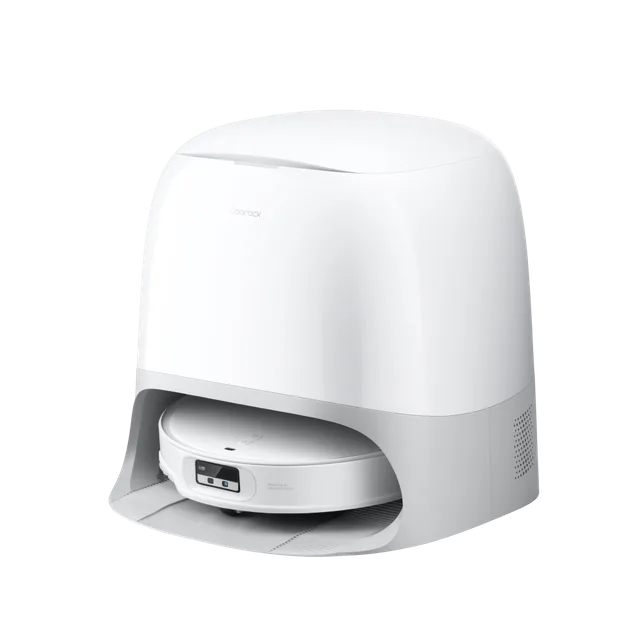
Qrevo CurvX
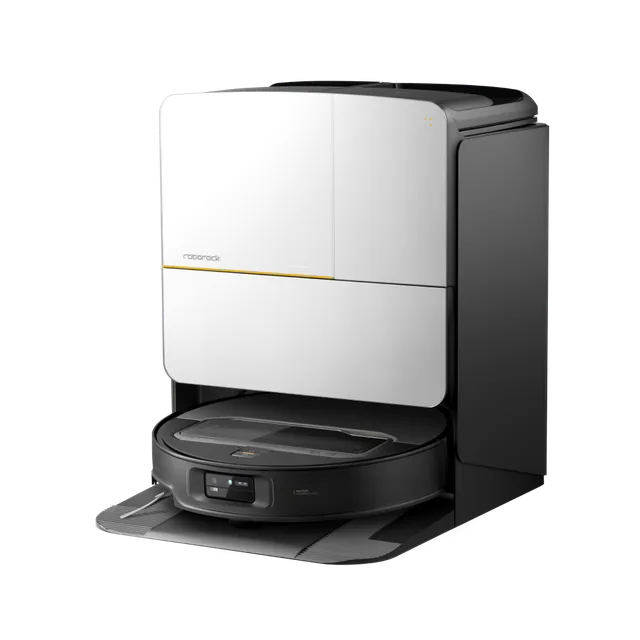
Saros Z70
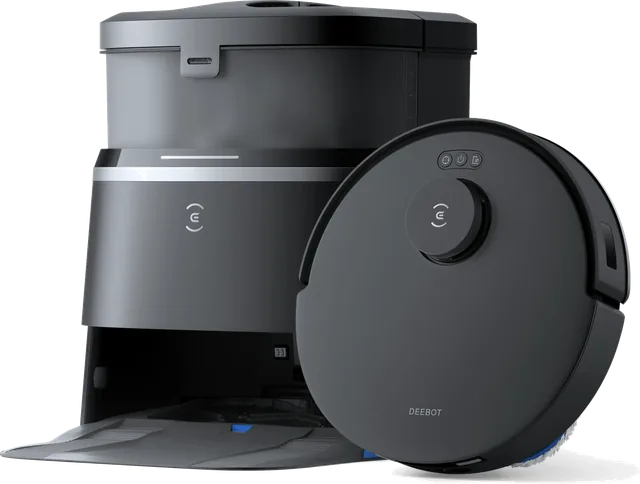
DEEBOT T80 OMNI
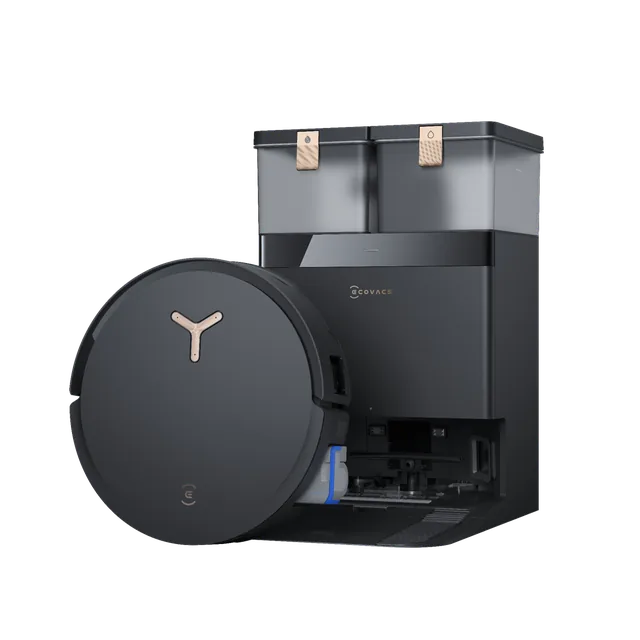
DEEBOT X8 Pro Omni
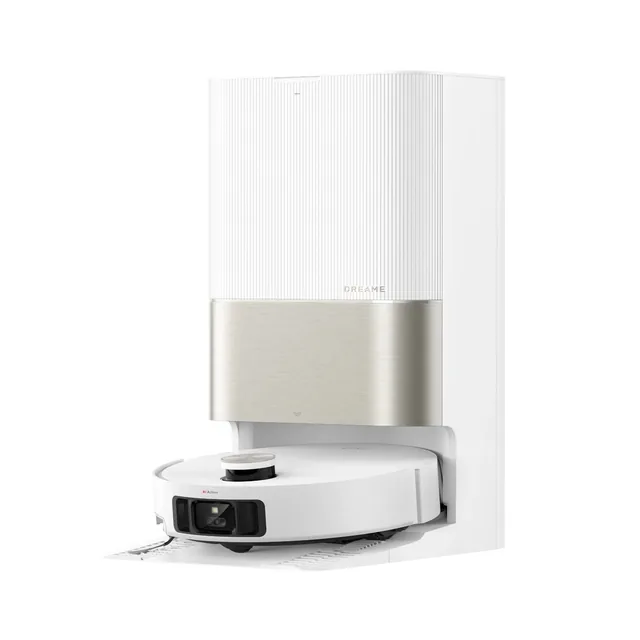
X50 Ultra
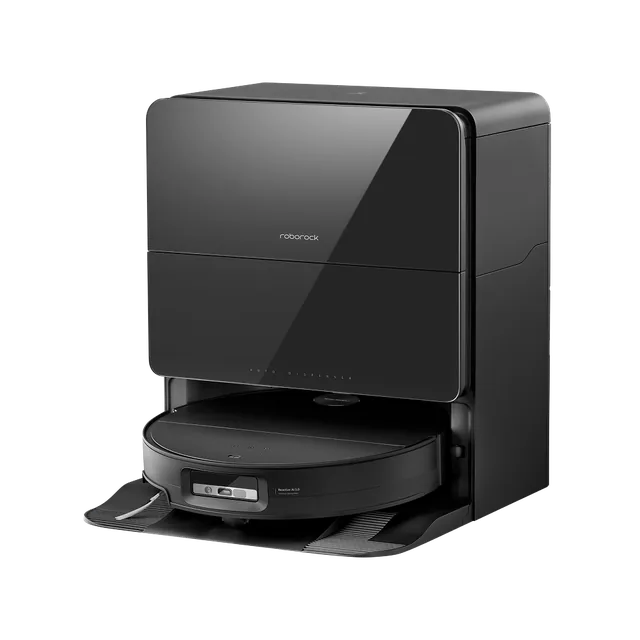
Saros 10
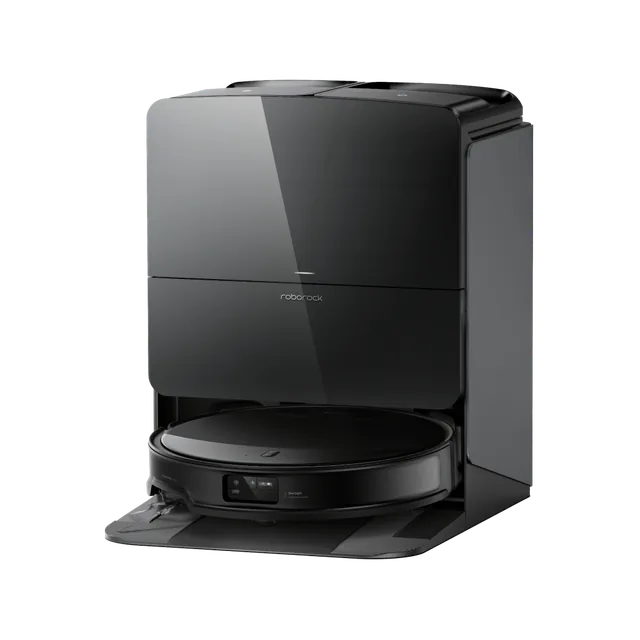
Saros 10R
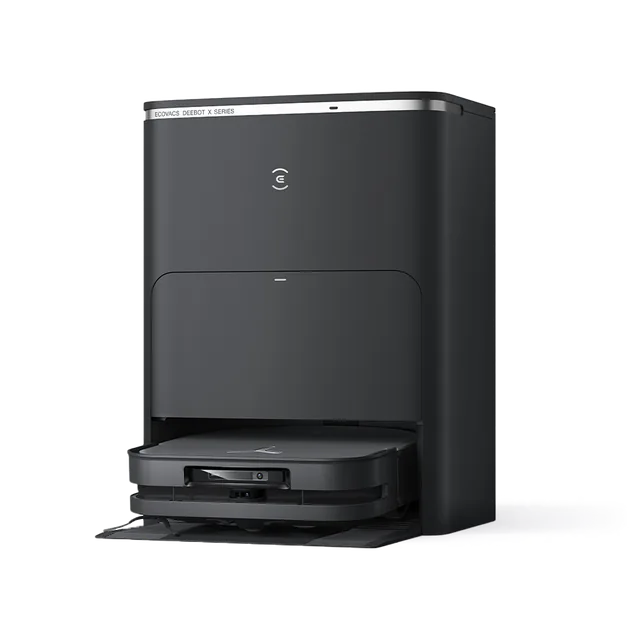
DEEBOT X5 PRO
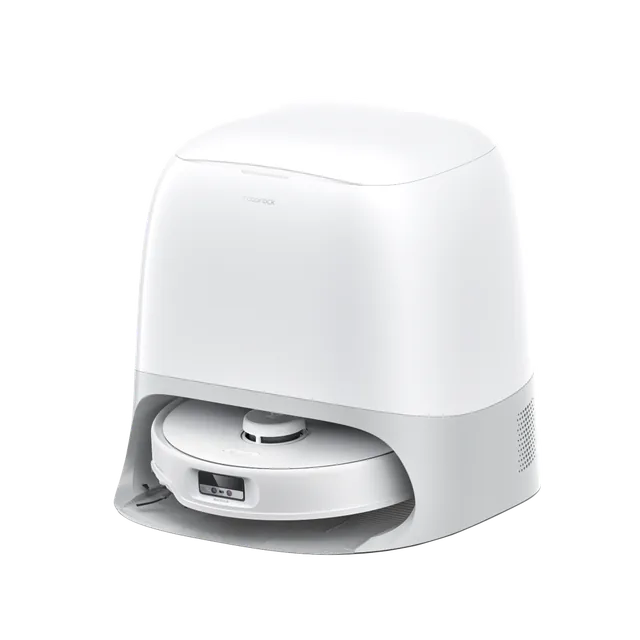
Qrevo Curv
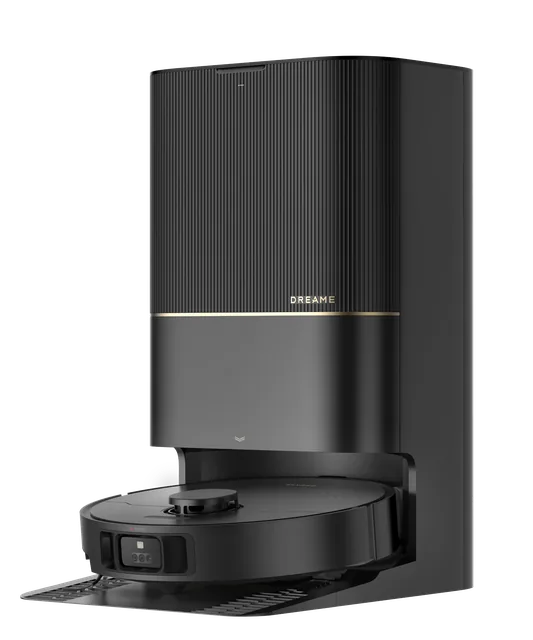
X40 Ultra
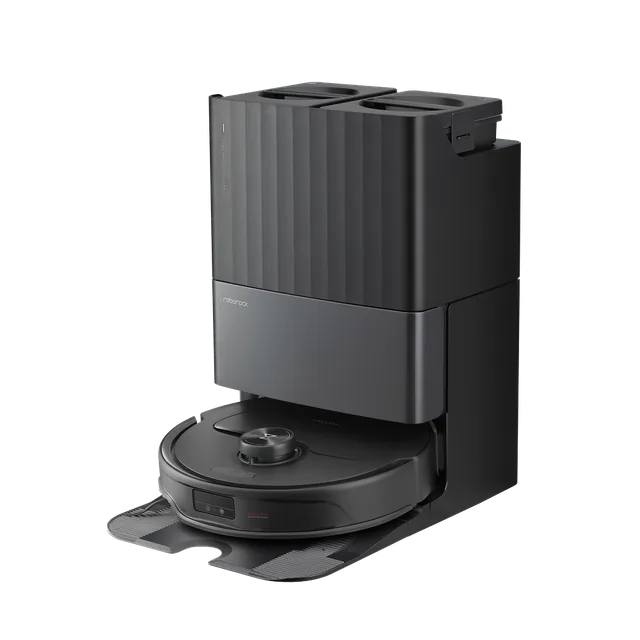
Qrevo Master
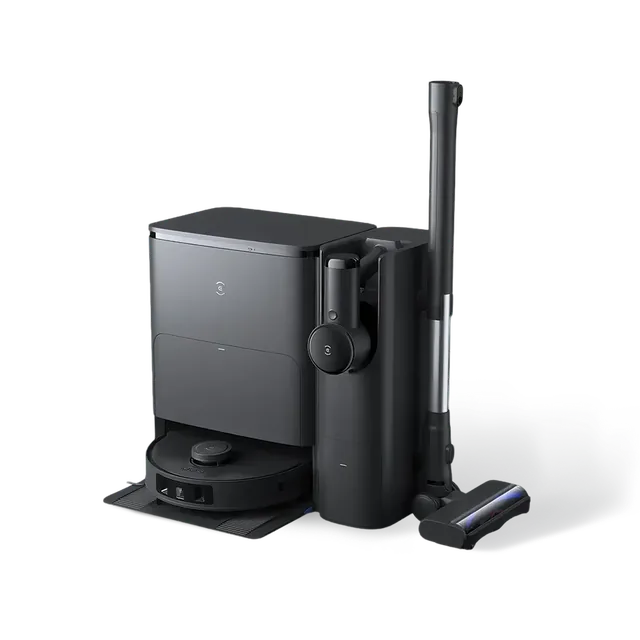
DEEBOT T30S
No matching model lines
Try another brand or clear the search keyword.
How We Score Each Model Line
Every line is scored by days on market ÷ its own historical average upgrade interval: below 40% is Buy, 40–95% is Caution, and 95%+ — or a line that has passed its expected replacement window — is Don't Buy. Retired lines are always Don't Buy. Dates come from official brand press releases, CES/IFA announcements and verified first-sale listings in overseas markets, and every entry is reviewed by hand before publication.
Brand Upgrade Cycles at a Glance
Roborock — we track 15 active lines with an average upgrade cadence of ~327 days. Latest release: Saros 20 Flow (on sale since 2026-09-14, -68 days on market).
Dreame — we track 11 active lines with an average upgrade cadence of ~345 days. Latest release: L40 Ultra Gen 2 (on sale since 2026-10-27, -25 days on market).
Ecovacs — we track 12 active lines with an average upgrade cadence of ~370 days. Latest release: DEEBOT T50S PRO OMNI (on sale since 2026-10-19, -33 days on market).
What This Means for Replacement Parts
Parts demand follows the installed base, not the launch calendar. A model deep into its cycle (Caution or Don't Buy) usually has the largest active fleet — the sweet spot for replacement brushes, filters, mop pads and dust bags. When a successor is announced, the outgoing model's discounts are often the best moment to buy the robot itself, while the new model's parts ecosystem takes 3–6 months to mature.
We track live best-seller momentum on our Amazon BSR tracker, and publish measured compatibility lists in our parts guides.
Frequently Asked Questions
How often do robot vacuum brands release new models?
Outside China, flagship lines from Roborock, Dreame and Ecovacs typically refresh every 10–14 months, and mid-range lines run slightly longer. The "Avg" figure on each card is computed from that line's own release history, not a single global average.
What do Buy, Caution and Don't Buy mean?
Each line is scored by days on market ÷ its historical average upgrade interval: below 40% is Buy (early cycle), 40–95% is Caution (mid-to-late cycle), and 95%+ — or a line past its expected replacement window — is Don't Buy. Retired lines are always Don't Buy.
Does this tracker cover models sold in China?
No. Models sold in mainland China follow different naming and release cadences, so we only track lines officially released in overseas markets — the US, UK, Germany, Singapore, Korea and others.
When is the best time to buy a robot vacuum?
Early in a line's cycle, when you get the full ownership window before the next generation. The alternative is to buy the outgoing flagship right after its successor is announced, when discounts of 20–40% are common — check each line's detail drawer for our take.
How does release timing affect replacement parts?
Parts demand follows the installed base: brushes, filters, mop pads and dust bags for a model typically peak 3–6 months after the robot's own sales peak. A model late in its cycle usually has the largest active fleet, while a brand-new model's parts ecosystem takes time to mature.
Where does the release date data come from?
Every date comes from official brand press releases, CES/IFA announcements or verified first-sale listings, and each entry is reviewed by hand before publication. Data as of 2026-11-20.